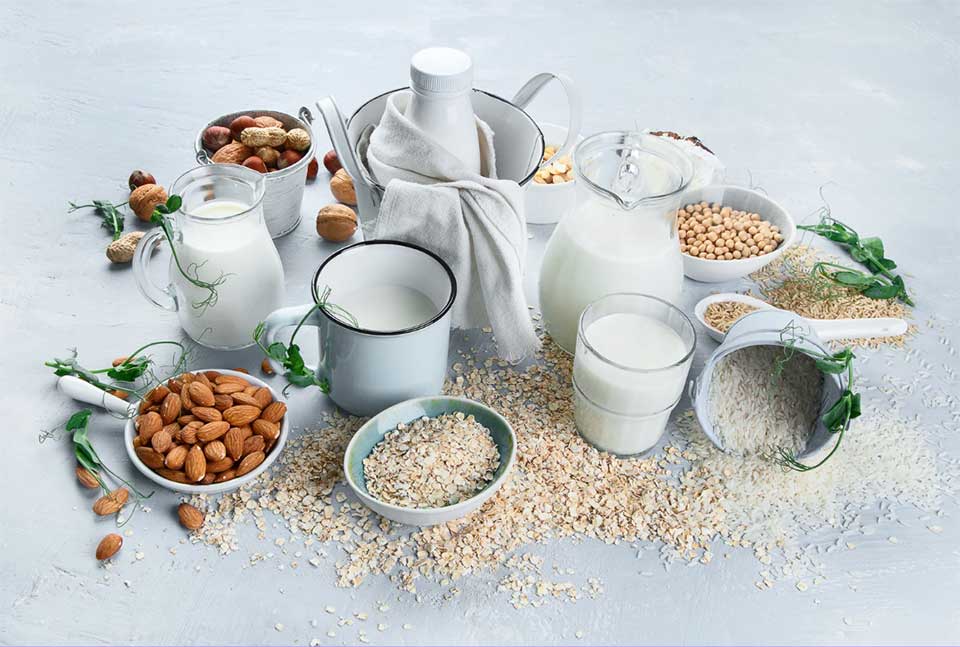
What is plant-based milk? And why are more people choosing it?
Plant-based milk is made from plants rather than coming from an animal such as a cow or a goat. Some popular varieties of plant-based milk are made from soy, almonds, oats, coconut, and rice – each offering its own unique flavor and consistency.
Consuming plant-based milk can benefit your health, reduce environmental impact, and of course is not exploitative of the animals typically used in the dairy industry.
Plant-based milk is widely available in New Mexico and nationwide, and can be a wonderful addition to a well balanced diet.
Why giving up dairy products is better for animals.
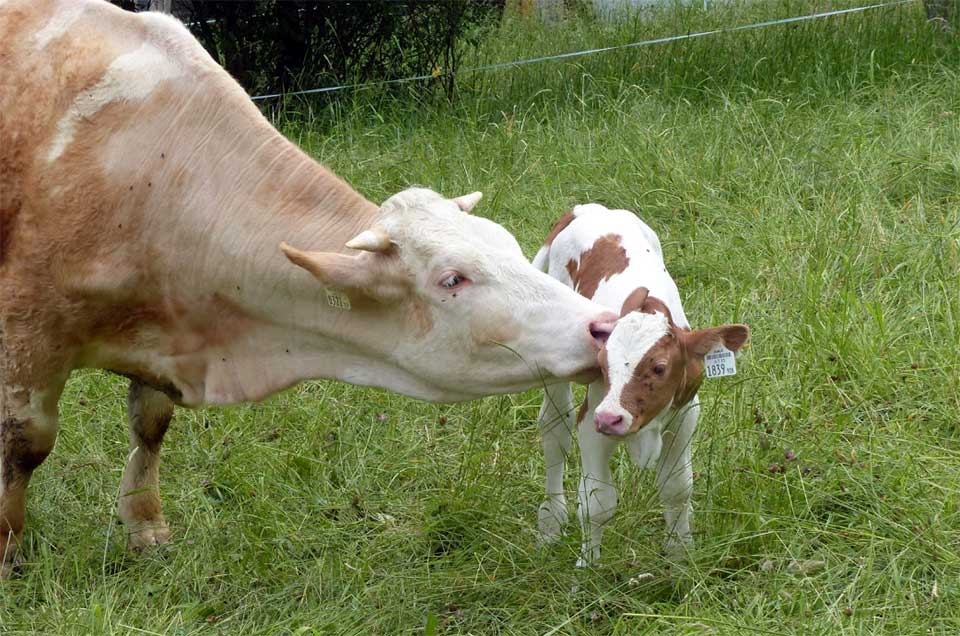
Animals used in the dairy industry are subject to cruel practices at all stages of life. Only a few hours after birth, a calf in the dairy industry is taken away from it’s mother. This is a traumatizing experience for both the mother and baby. Mothers can be heard calling out for their calf in distress long after they are separated.
At a young age, many cows in the dairy industry have their tails docked, without any anesthetics and females will be artificially inseminated at just over a year in age.
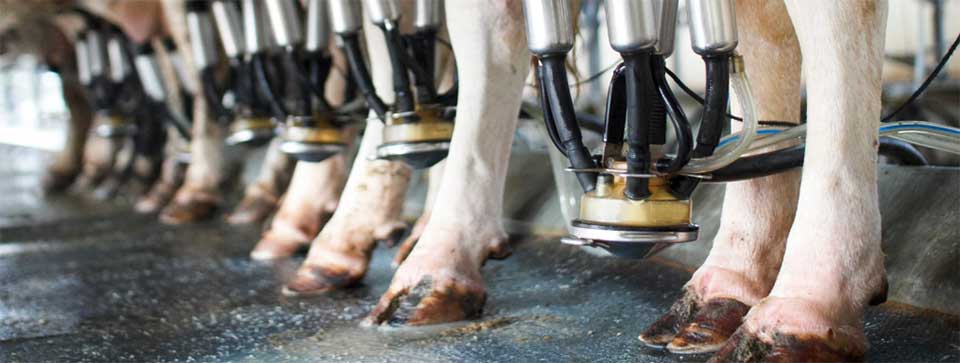
Many people choose to consume dairy but not meat, believing it to be a more ethical option. However, nearly 20% of the cow meat consumed in the the united states comes from cows in the dairy industry. Male cows born on a dairy farm are either raised for beef, veal, or in some cases are killed shortly after birth if deemed unprofitable. Female cows are repeatedly impregnated to produce milk and are often considered “spent” after 2–4 lactation cycles, at which point they are sent to slaughter.
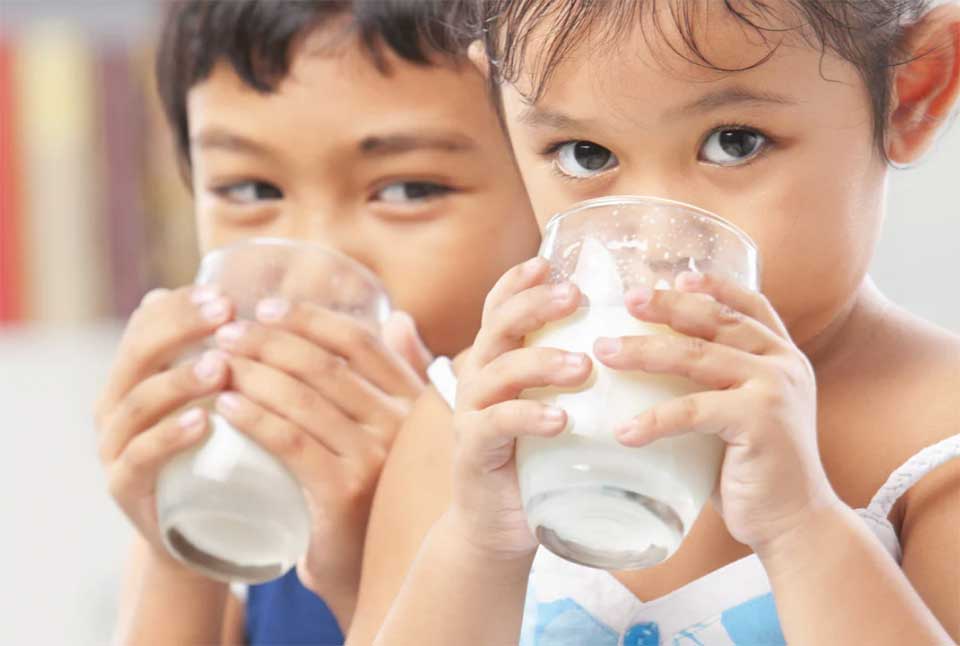
Plant-based milk is better for human health.
About 64% of New Mexico’s population is genetically predisposed to lactose intolerance, meaning that consuming cow’s milk and other dairy products can lead to digestive issues, allergic reactions, and other uncomfortable symptoms. Cow’s milk is also high in saturated fat and cholesterol, which have been linked to an increased risk of heart disease, certain cancers, and type 2 diabetes.
Will I get enough protein from plant-based milk? Soy milk offers a comparable amount of protein to cow’s milk— about 7 to 8 grams pers serving— without the added saturated fat and cholesterol.
 Choose plant-based milk to conserve land and water resources.
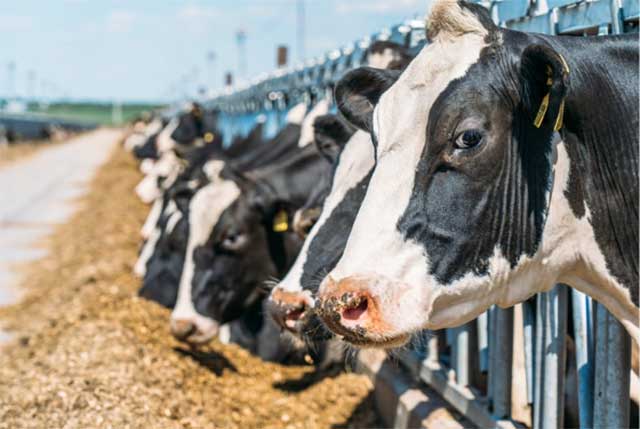 Choose plant-based milk to conserve land and water resources.
New Mexico ranks first in the U.S. for the number of dairy cows per farm. A Concentrated Animal Feed Operation or CAFO, also called a “mega dairy,” is a dairy farm that has over 500 cows. The average New Mexico dairy operation has about 2,500 cows. Cows on these farms consume about 32 million gallons of water a day, and produce enough manure (cow poop) to fill 9 Olympic swimming pools each day.
In contrast, plant-based milks like oat and soy require significantly less land and water to produce, and they generate far fewer greenhouse gas emissions. Shifting from conventional dairy to plant-based alternatives can be a powerful way to reduce your environmental footprint—especially in arid states like New Mexico where water is a precious resource.